Bank 'Safe Account' Scam: The Immediate Protocol to Stop Impersonation Fraud Before You Wire Funds
Under pressure from a caller claiming your bank account is compromised? Learn the emergency steps to stop bank safe account impersonation scams immediately.
Is someone on the phone right now claiming to be from your bank's fraud department, telling you that your life savings are under attack and must be moved immediately to a "secure holding account"?
If you are reading this while on an active call, put the phone down or mute your microphone. Do not transfer funds. Do not confirm verification codes. Do not authorize an outgoing wire transfer.
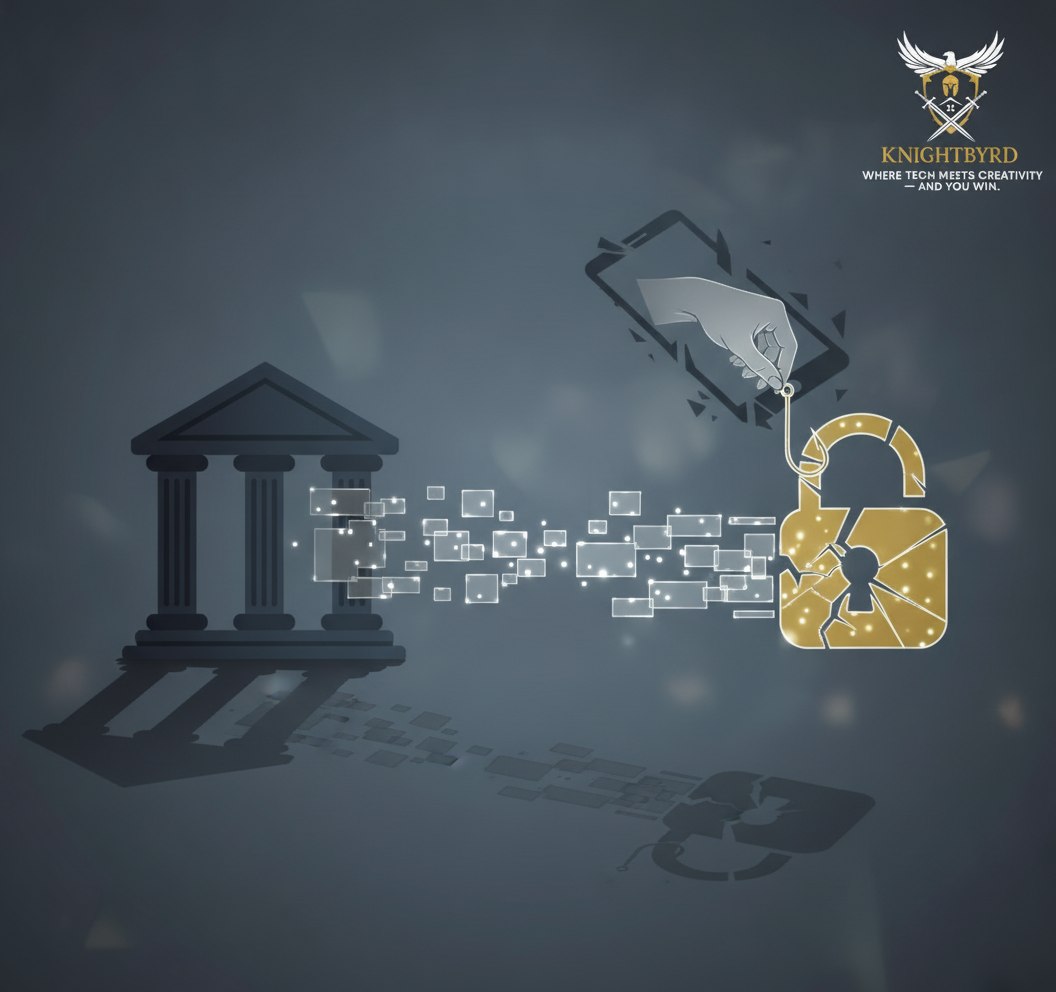
Every day, retail banking customers and retirees lose tens of thousands of dollars within minutes to sophisticated bank impersonation schemes. The tactic relies on weaponized urgency: criminals spoof legitimate customer service phone numbers, recite your recent account activity acquired from dark web breaches, and insist that local branch employees are corrupt. Their goal is singular—to coerce you into voluntarily moving money to an external account they control.
The Anatomy of the Coercive Transfer
Traditional cyber attacks rely on brute force; safe account scams rely on psychological coercion. The fraudster pretends to be your ally. They provide a fake badge number, simulate call-center background noise, and stay on the line with you as you navigate your online banking portal or visit a physical branch.
According to data from the Federal Trade Commission (FTC), imposter scams continue to drive billions in reported consumer losses, with bank impersonation representing one of the fastest-accelerating loss categories. Once a wire transfer or peer-to-peer transaction clears under your own authorization, federal reimbursement protections virtually disappear.
In our analysis of social engineering workflows at KnightByrd Tech, we have consistently observed that traditional security checklists fail precisely when a victim is in the middle of an active call. When adrenaline surges, multi-page security pamphlets are useless. What victims actually need is an unambiguous, rapid verification circuit breaker they can run in under two minutes.
What Most Security Guides Won't Tell You
Here is our blunt perspective: financial institutions have shifted the burden of systemic security onto individual depositors. Banks plaster generic "stay vigilant" warnings across transfer screens primarily to shield themselves from legal liability under Uniform Commercial Code (UCC) provisions. If you click "Confirm Transfer" after a bank displays a generic fraud pop-up, you have legally authorized that transaction.
Waiting for bank algorithms to flag an anomaly or relying on call-center reps to intervene during a branch visit is a catastrophic gamble. The caller instructing you how to mislead the teller has practiced their script thousands of times; you are encountering it for the first time.
The 3-Step Immediate Verification Protocol
If you suspect an active impersonation attempt, take control of the interaction immediately:
- Sever the Voice Channel: State clearly, "I am ending this call to verify your identity through official channels." Hang up immediately. Do not worry about appearing rude.
- Break Caller ID Routing: Fraudulent incoming calls can hold a landline or manipulate callback routing. Wait five minutes, or switch to an entirely separate mobile device, and dial the exact phone number printed on the back of your physical debit or credit card—never the number provided by the caller or texted to your phone.
- Initiate an In-Band Lockout: Ask the verified fraud department to place an administrative hold on all outgoing wire, ACH, and real-time payments until you physically verify your identity at a local branch.
Protecting your hard-earned assets against organized social engineering syndicates requires zero hesitation and a defined tactical playbook. Don't wait for an active breach to figure out your defense—secure the definitive response blueprint today and safeguard your accounts against impersonation fraud.
👉 See what's inside: https://kema.knightbyrd.com/go/beat-the-bank-safe/blog
KnightByrd Tech researches fast-moving digital trends and publishes practical, tested products and guides. About the publisher →