Caught in a Task Scam? How to Detect Remote Job Optimization Fraud and Stop Deposit Traps Now
Caught in a task scam or fake app-rating job? Learn how remote job optimization fraud works, how to spot deposit traps, and protect your funds immediately.
Are you watching an account balance tick up on a sleek dashboard, only to be told you must deposit cryptocurrency or wire funds to "unlock" your next batch of rating tasks?
If you are staring at a screen right now wondering whether to send another $200 to get your promised $1,500 payout, stop immediately. You are not experiencing a technical glitch or an unexpected payroll hurdle. You are caught in a live task scam.
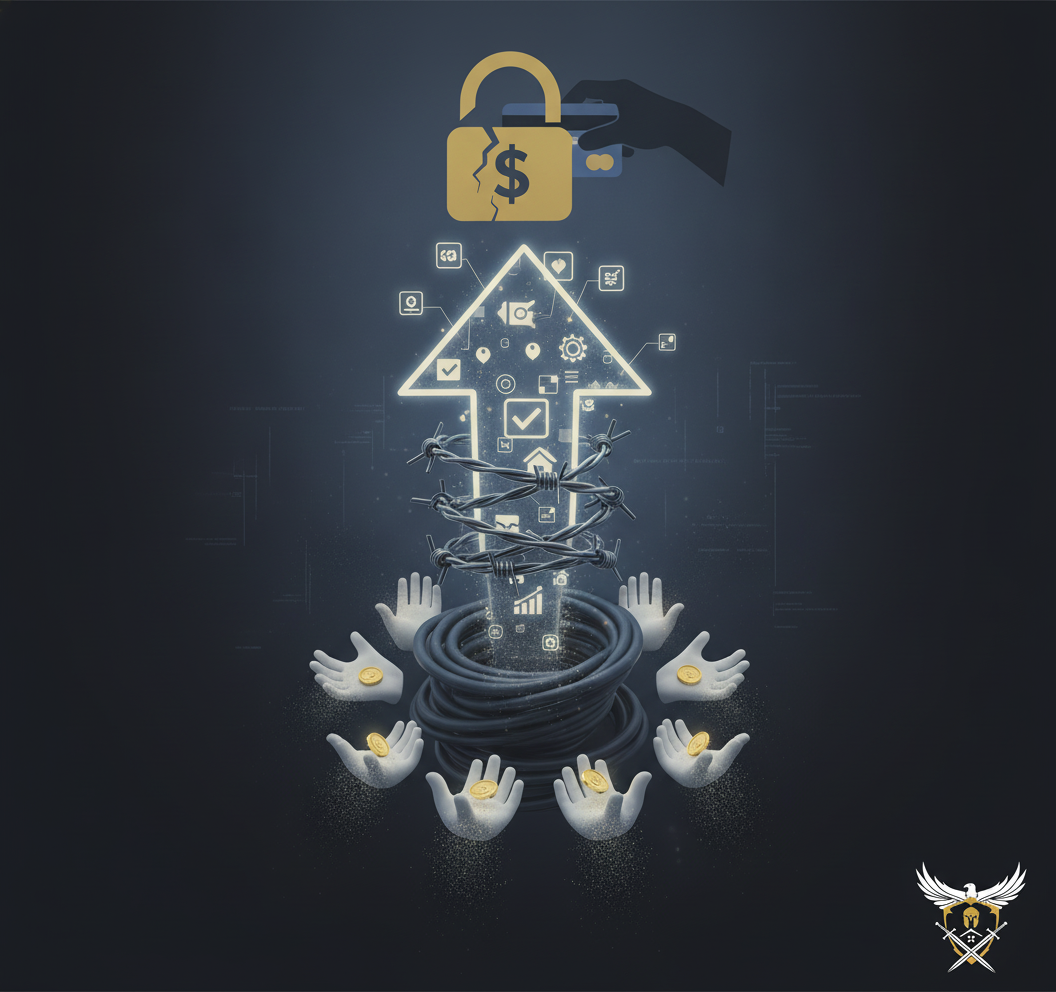
Remote job optimization fraud is currently exploding across WhatsApp, Telegram, and freelance message boards. The setup is remarkably consistent: scammers recruit remote job seekers and students under the guise of an effortless work-from-home position—often claiming you'll be "optimizing app store rankings," "reviewing merchant products," or "boosting digital platform metrics." The dashboard looks professional, the early tasks yield real (small) withdrawals to build artificial trust, and the support agents are polite. Then comes the "combination task" or "negative balance." Suddenly, your funds are held hostage until you top up the account.
In our experience analyzing digital threat patterns at KnightByrd Tech, the velocity of this specific fraud model has outpaced conventional cybersecurity awareness. Most generic career advice tells job seekers to "look for typos" or "check if the company has a website." That advice is dangerously outdated. Modern task-based syndicates operate dedicated simulated environments with working referral trees, automated customer service desks, and spoofed corporate branding that can deceive even seasoned freelancers.
The Federal Trade Commission (FTC) has specifically warned that these fake app-rating and product-optimization schemes are designed to systematically drain victims through escalating deposit tiers. Once you make the first deposit to clear a deficit, the algorithm creates another "high-yield" task that requires a substantially larger deposit, repeating until you are financially exhausted.
Here is our direct perspective on this: the biggest lie in online safety discourse is that victims fall for these schemes out of greed. They don't. Scammers weaponize the sunk-cost fallacy and psychological exhaustion. When someone has already invested four hours of tedious clicking and $150 of their own money, their brain naturally fights to validate that effort rather than admit a total loss. Mainstream advice that simply scolds users to "never pay to work" fails completely because it does not provide an actionable, real-time triage protocol for someone who is mid-transaction and panicking.
To break the cycle right now, execute these immediate verification steps:
- Cease all transfers instantly. No legitimate employer on Earth requires an employee to deposit capital into an internal ledger to release earned commission or reset a task quota.
- Isolate transaction hashes and communication records. Capture full-screen timestamps of the task portal, wallet addresses, and chat transcripts before administrators wipe the group or freeze your login.
- Audit domain registration data. These task platforms rarely exist on domains older than 30 to 60 days. Checking WHOIS records reveals when the shell was spun up.
- Sever communication without confrontation. Alerting the scammer that you know the truth will only trigger aggressive extortion tactics, fake legal threats, or immediate access revocation.
Navigating remote employment should build your financial sovereignty, not compromise it. When you need clear, unambiguous operating procedures to differentiate genuine flexible gigs from orchestrated extraction traps, having a structured verification system is essential.
Don't wait until another deposit is lost—arm yourself with the full tactical advantage today.
👉 See what's inside: https://kema.knightbyrd.com/go/beat-the-task-and/blog
KnightByrd Tech researches fast-moving digital trends and publishes practical, tested products and guides. About the publisher →