Is the App Optimization or Remote Task Job a Scam? How to Tell
Wondering if that remote app optimization task job is real? Learn the red flags, how the negative balance scam works, and what to do immediately.
If you received an unsolicited text message offering high daily pay to "optimize apps," click buttons, or like products online—and they are now asking you to deposit your own money or cryptocurrency to "reset your negative balance" or unlock your earnings—stop immediately. This is 100% a scam.
No legitimate company in the world requires workers to pay money upfront to receive earned paychecks or access tasks. The money showing in your "dashboard" does not exist, and any funds you send via crypto or wire will be stolen.
What Exactly Is a Task Scam?
Task and job optimization fraud targets remote job seekers, college students, and freelancers looking for flexible part-time work. Scammers masquerade as digital marketing firms, e-commerce giants, or app analytics networks. They claim they will pay you $100 to $500 a day for doing almost zero skilled labor: clicking "submit" on 30–40 tasks, rating fictitious mobile apps, or boosting merchant ratings.
At KnightByrd Tech, we regularly investigate malicious web infrastructure, and task scam platforms are among the fastest-growing decentralized fraud operations we track. What we've consistently seen across hundreds of cases is that these platforms are designed with one psychological exploit in mind: the sunk cost fallacy. Once a target invests a few hundred dollars to clear an artificial "negative balance," the scammer triggers another "lucky combination task" requiring thousands more.
The Architecture of the Con
The operation follows a precise, deceptive pipeline:
- Unsolicited Outreach: You get an SMS, WhatsApp, or Telegram message from a "recruiter" claiming they saw your resume on a major job board. They offer straightforward remote training.
- The Dummy Dashboard: You are directed to a clean, professional-looking website where you are assigned an account balance (often loaded with $50 to $100 in fake credits) and shown how to click through a batch of repetitive tasks.
- The Lure Payout: During your first day, the system lets you complete a batch and actually withdraw $20 to $60 in real cryptocurrency to your personal wallet. This single step builds immense false trust.
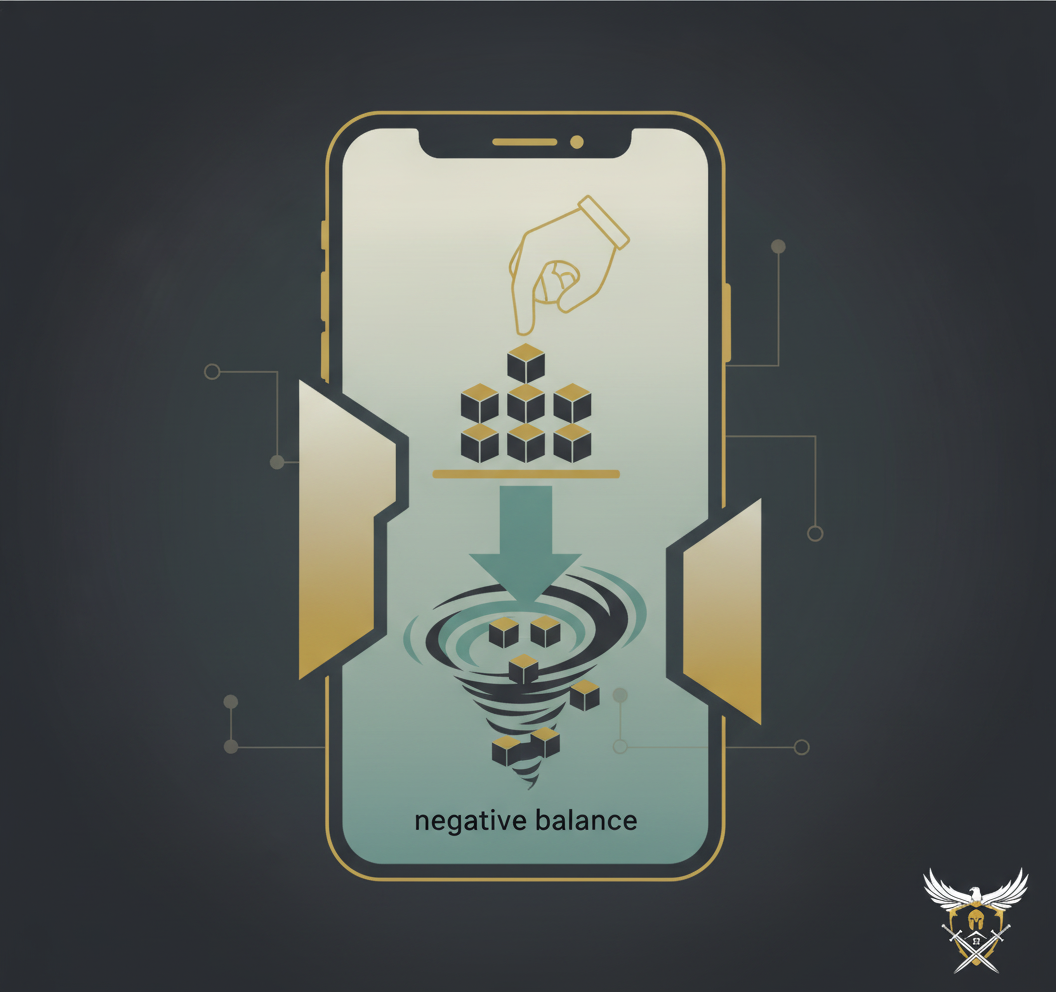
- The "Negative Balance" Trap: On day two or three, you hit a "Combination Order" or "VIP Task." The system halts, and your dashboard balance drops to negative $300. The "customer service mentor" tells you this is extremely lucky because it multiplies your final commission—you just have to deposit $300 in USDT (Tether) or Bitcoin to restore the balance, finish the 40 tasks, and withdraw everything.
- The Escalation: Once you deposit $300, task #38 triggers another combination order requiring $1,500. If you pay that, task #40 demands $5,000. If you try to stop, they threaten that all your previous funds will be forfeited.
- The Final Lockout: When you run out of money or refuse to pay, the support team demands a 20% "tax compliance fee" or simply blocks your account.
What Most Guides Won't Tell You About These Platforms
Many consumer alerts treat this like simple phishing. It is far more dangerous. These syndicates run sophisticated, mirrored server networks that spin up fresh domains every 48 hours. When you deposit cryptocurrency into that platform, your money does not sit in a designated work account—it is instantly routed through automated crypto tumblers and split across multiple cold wallets.
Here is our unequivocal take: There is no technical glitch, no customer service manager, and no VIP commission pool. If you are communicating with an "onboarding manager" exclusively via Telegram or WhatsApp who refuses to speak over an enterprise email domain or corporate video call, you are talking to a professional syndicate whose sole objective is to bleed your savings dry.
Clear Red Flags to Spot Instantly
- You must pay to work: Any requirement to buy crypto, send Zelle payments, or wire funds to "recharge your account balance" is fraud.
- Unsolicited recruitment: You never applied for the position, and the recruiter contacted you via Telegram, WhatsApp, or random SMS.
- Inflated pay for low-effort clicks: Promises of $200–$800 daily for clicking "optimize" on 40 product listings.
- Fake company credentials: The recruiter claims to represent a household-name brand, but their onboarding link is a bizarre web address like
app-optimizer-vip88.toprather than the company's verified primary domain. - Customer service through anonymous chat: All support operates inside non-indexed chat widgets or personal messaging apps.
What to Do Immediately If You've Been Targeted
- Cease All Contact and Stop Sending Money: Cut off communication with the mentor and customer service immediately. Do not attempt to negotiate; they will only invent new fake "withdrawal fees."
- Document Everything: Take full-page screenshots of your dashboard balance, chat histories, wallet addresses, and transaction hashes.
- Report the Fraud: File an immediate report with your national fraud center. In the United States, submit all details to the Federal Trade Commission (FTC) and the FBI's Internet Crime Complaint Center (IC3).
- Beware of "Recovery Scammers": Anyone on Reddit, social media, or Telegram who claims they can "hack the platform and retrieve your funds" for an upfront fee is another scammer trying to double-victimize you. Lost crypto transfers cannot be reversed by private third parties.
Frequently Asked Questions
Can I just take the first $30 payout and quit? While some people successfully withdraw the initial bait money, interacting with these platforms exposes your device to malicious scripts, puts your phone number on high-priority targeted lists for future scams, and risks sharing personal identity details. Avoid engaging at all.
They showed me their company registration documents. Are they real? No. Scammers routinely steal real public business filings from state or national registries and paste them into their chat windows. Anyone can download a public corporate certificate and claim to represent that company.
How can I verify if a remote job offer is genuine? Navigate independently to the company's official corporate careers portal—never click links sent in SMS messages. Search for the exact job listing and verify the recruiter's identity directly through their corporate email domain or verified LinkedIn profile.
Don't let urgency and deceptive dashboards cost you your hard-earned capital—protect your financial security today by cutting contact and reporting suspicious job offers immediately.
Got a message you're not sure about? Paste it into the free Is This a Scam? checker — you'll get an instant read on the warning signs and exactly what to do. No sign-up, nothing saved. You can also see this week's most active scams on the Nexus Scam Signal.
KnightByrd Tech researches fast-moving digital trends and publishes practical, tested products and guides. About the publisher →