Flock ALPR Compliance: Why Your HOA or City Is One FOIA Request Away from a Privacy Crisis
Ensure Flock ALPR compliance with complete data retention policies, HOA audit frameworks, and municipal privacy governance templates.
Is your city council or HOA board prepared to answer a public records lawsuit or an open-records audit over last month’s Flock camera logs?
If you are managing municipal surveillance or neighborhood gate security today, doing nothing about your governance posture is already costing you defensibility. Automated License Plate Readers (ALPRs) have spread across thousands of suburban subdivisions and small-town police departments at record speed. Yet behind the promise of solved vehicle thefts lies an immediate operational liability: raw surveillance data stored without clear retention limits, transparent audit logs, or legally tested memorandum of understanding (MOU) language.
When a civil liberties inquiry hits your desk, "we trust the vendor's standard settings" is not a legal defense.
The Reality of ALPR Data Exposure
In our experience reviewing law enforcement technology deployments and community security contracts, the technical setup takes hours, but policy omissions create years of exposure. Administrators routinely assume that vendor-provided cloud portals automatically satisfy local and state privacy mandates. They do not.
Most municipal tech leads and HOA legal counsels we have worked with discover the gaps only after a citizen complaint escalates. Common failure points include:
- Unmonitored hotlist lookup logging.
- Unclear inter-agency cross-jurisdictional data sharing pacts.
- Retention cycles that violate statutory limits for unflagged plate captures.
- Absence of documented public-facing transparency portals.
The regulatory scrutiny is intensifying. Organizations like the Electronic Frontier Foundation continuously challenge unchecked ALPR networks, focusing heavily on third-party data aggregation and retention policies that exceed 30 days without an active criminal investigation.
What Surveillance Vendors Won't Tell You
Here is our unfiltered take: Hardware vendors want cameras deployed quickly and frictionless renewals signed; they have zero financial incentive to slow down a deal by forcing your board or police department through strict, granular data retention schedules. They hand you a generalized end-user agreement and leave the civil liability of data misuse squarely in your lap.
Treating ALPR hardware like a simple plug-and-play streetlight is reckless governance. If an HOA shares private resident egress logs with out-of-state private investigators, or if a municipal agency allows unvetted officers to search plate histories without active incident numbers, you face massive civil rights exposure and community backlash.
Building an Ironclad ALPR Policy Framework Today
Your deployment requires clear, auditable operational standards before public friction turns into administrative paralysis.
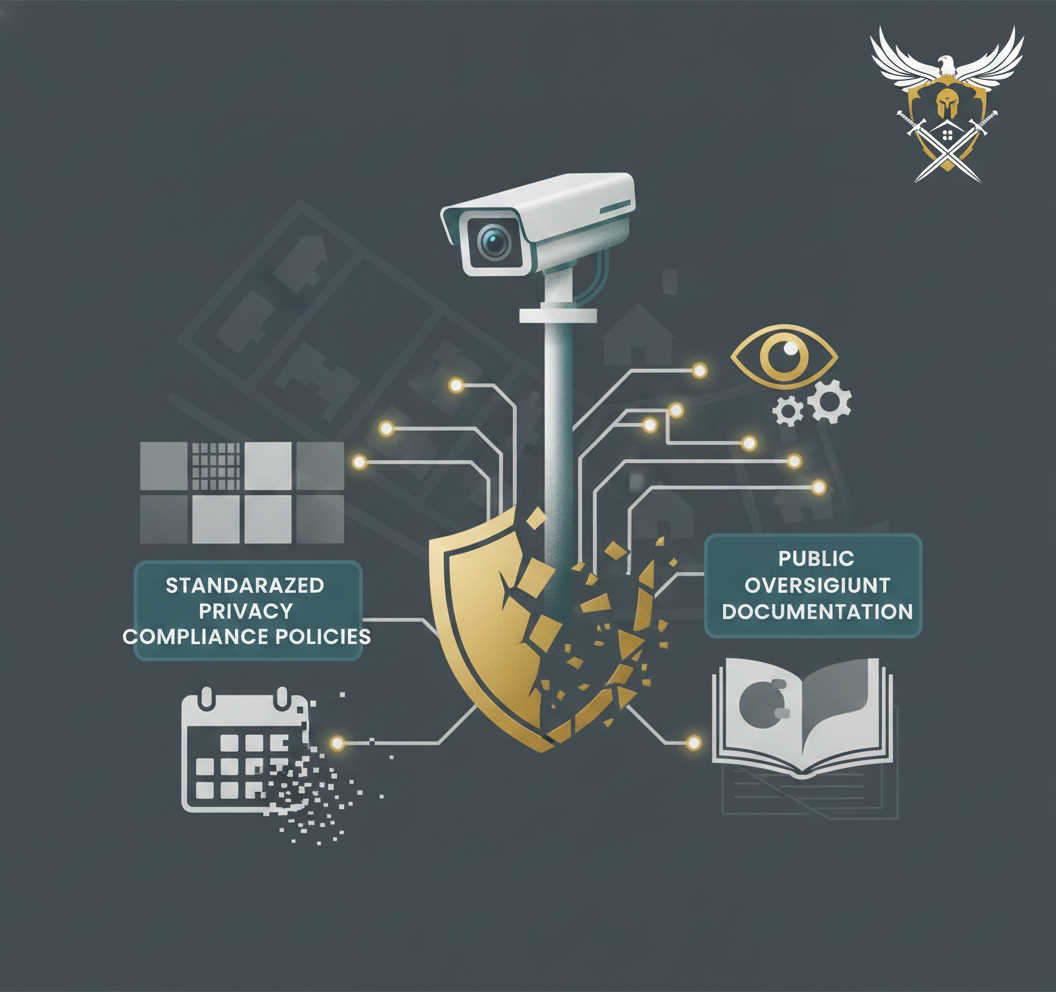
First, define an explicit 30-day automatic purge protocol for all non-hit captures, backed by verifiable cryptographic deletion verifications. Second, establish a strict audit framework where every single license plate lookup requires an associated CAD (Computer-Aided Dispatch) incident number or verified police case identifier. Third, create an unredacted community-facing policy disclosure that explains exactly who can access plate logs, under what statutory authorities, and who audits the auditors.
Proactive governance is the only factor that separates an effective, community-supported crime deterrence initiative from a disastrous local privacy scandal. Don't wait for a public records dispute or board recall—establish your enforceable compliance and data governance baseline today.
👉 See what's inside: https://kema.knightbyrd.com/go/flock-alpr-municipal-hoa/blog
KnightByrd Tech researches fast-moving digital trends and publishes practical, tested products and guides. About the publisher →