Did You Get an Urgent Distress Call from a Family Member? How to Spot the AI Voice Cloning Scam
Received an urgent distress call asking for bail or wire transfer? Learn how to identify AI voice cloning scams immediately and protect your family today.
If you just received a terrifying phone call from a loved one crying, claiming they were in a car accident or arrested, and someone immediately demanded money for bail, medical bills, or legal fees—hang up the phone right now. Your loved one is almost certainly safe, and you are being targeted by an active AI voice cloning scam.
Time is critical, but panicking is exactly what the attackers are banking on. Before you touch your bank account or run out the door, take sixty seconds to read this protocol.
The Immediate Reality: How This Scam Works
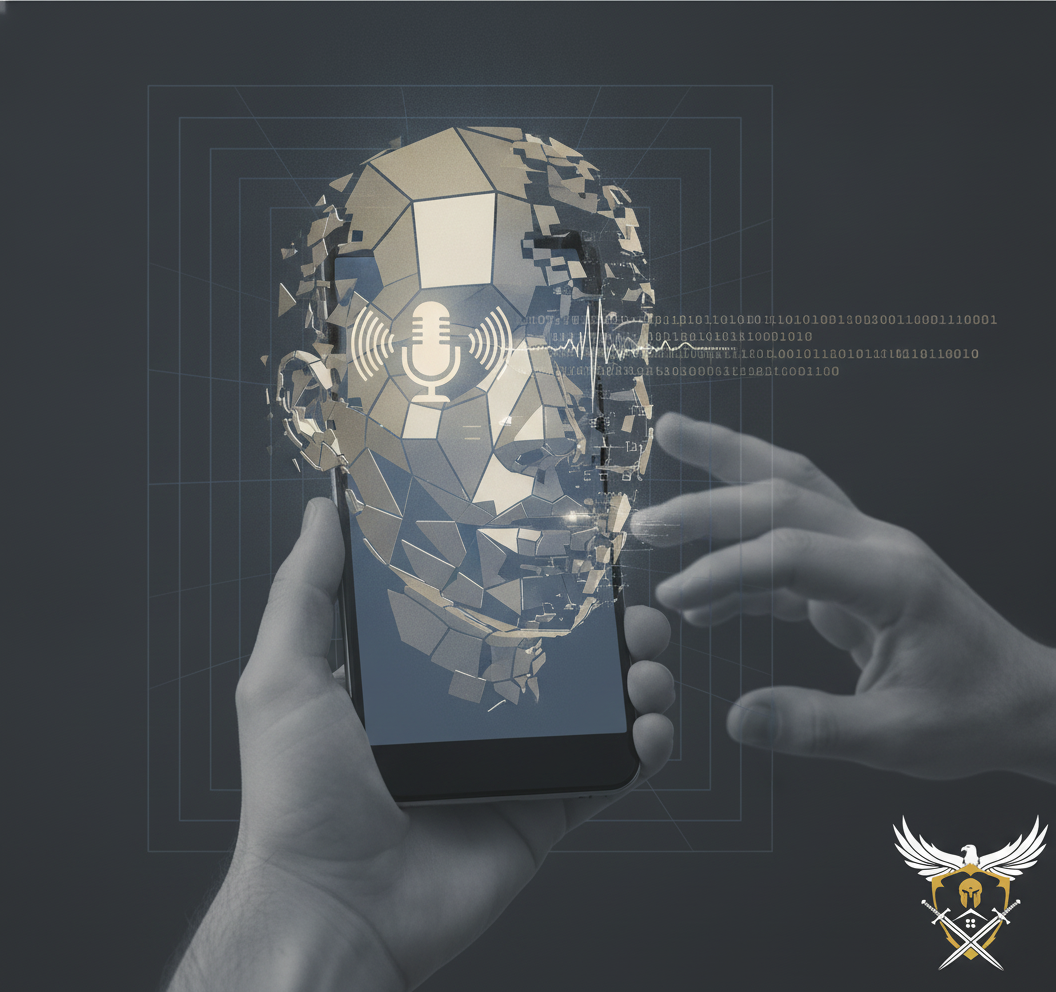
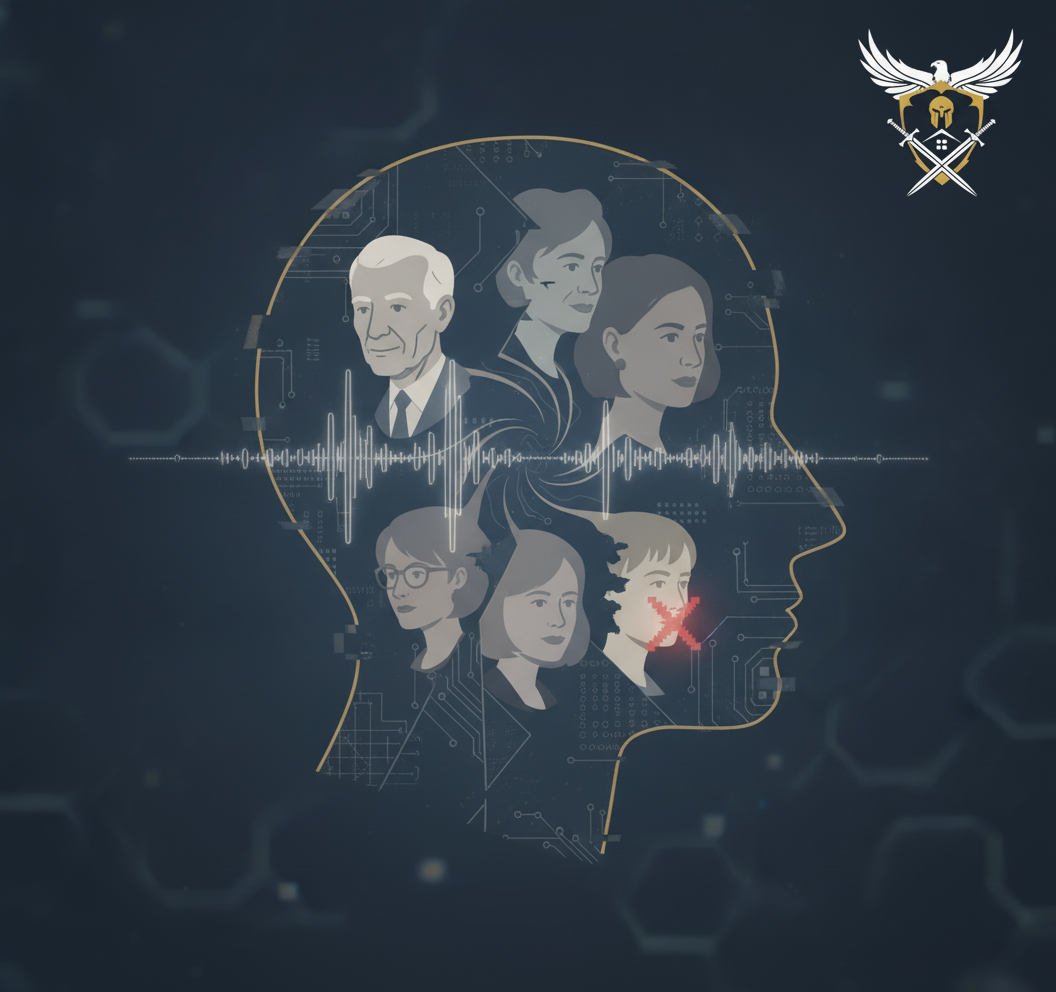
Generative artificial intelligence has eliminated the technical barriers to audio forgery. A bad actor needs as little as three to five seconds of clear, uncompressed audio—easily harvested from public TikTok clips, Instagram Reels, YouTube videos, or even a standard outgoing voicemail greeting—to train a dynamic voice model.
Once the clone is generated, the attack unfolds in three distinct stages:
- The Emotional Breach: Your phone rings (often from a spoofed local area code or an "Unknown" caller ID). When you answer, you hear your child, grandchild, or partner in extreme distress—sobbing, hyperventilating, or screaming in pain. The voice sounds unmistakably identical to them, creating instant cognitive overload.
- The Authority Takeover: Before you can ask detailed questions, a second individual cuts in. This person claims to be a public defender, a police officer, a hospital administrator, or a bail bondsman. They deliver an aggressive, fabricated story: your relative caused a horrific car crash, injured a pregnant woman, or was found with illegal contraband.
- The Immediate Extortion: The caller demands thousands of dollars in cash, wire transfers, or cryptocurrency to secure immediate release or emergency surgery. They explicitly order you to stay on the line, warn you that a "gag order" prevents you from contacting other family members, and demand instant compliance.
In our threat assessment work at KnightByrd Tech, we have tracked a severe escalation in this methodology: scammers are no longer just asking for bank wires or Bitcoin ATM deposits. They are dispatching unwitting local rideshare couriers directly to victims' front porches to pick up envelopes of physical cash.
What Most Security Guides Get Wrong (Our Take)
Most legacy consumer advice tells you to "listen closely for unnatural robotic cadences" or "check if the call comes from an unrecognized number." This advice is obsolete and dangerously ineffective.
Modern neural audio synthesizers incorporate realistic breathing, crying inflections, and natural pitch variations. Combined with intentional background noise (like simulated police sirens or hospital monitors) and severe emotional shock, human ear verification becomes functionally impossible during the first ten seconds of a call. Furthermore, caller ID spoofing makes incoming numbers completely untrustworthy.
You cannot rely on your ears to detect a synthetic voice in a high-stress moment. You must rely on procedural verification.
The 3-Step Verification Protocol
If you receive one of these calls, execute these steps immediately:
- Cut the Connection and Call Directly: Never stay on the line because they ordered you to. Hang up immediately and dial your loved one's established, trusted personal phone number. If they do not pick up right away (for instance, if they are in school, working, or driving), call their spouse, roommate, coworker, or school administrative office before taking financial action.
- Deploy the Family Challenge Word: Establish a non-guessable family safe word or phrase known only to your immediate household. If someone claiming to be your family member calls from an unknown number in an emergency, ask: "What is our phrase?" Real emergencies do not erase memory of a pre-shared code.
- Recognize the Payment Red Line: Legitimate law enforcement agencies, municipal courts, and certified trauma centers will never demand immediate payment through peer-to-peer apps (Zelle, Venmo), gift cards, cryptocurrency kiosks, or physical cash handoffs to a courier. The Federal Trade Commission's guidance on voice cloning scams confirms that any demand for immediate, untraceable payment is the definitive hallmark of fraud.
How to Protect Aging Parents and Grandparents
Older demographics remain the primary target because scammers exploit protective familial instincts. Sit down with aging parents or relatives today and institute a strict ground rule: "No money moves without a secondary verbal check from a third trusted relative."
Make sure their social media profiles are set to private and encourage them to forward unexpected legal calls directly to a primary family contact. Removing the shame around being targeted is the single most effective way to keep them vigilant.
Frequently Asked Questions
How did the scammers get my phone number and match it to my relative's name? Scammers use data aggregator brokerages, public social media networks, and past data breaches to map family trees, linking names, phone numbers, and relational connections effortlessly.
Can law enforcement track the rideshare driver picking up the money? While police occasionally intercept local drivers, these couriers are almost always third-party gig workers who have no idea they are participating in a crime syndicate. The actual operators remain remote, often based overseas.
What should I do if I already sent money? File an immediate report with your local police department and submit a complaint to the FBI's Internet Crime Complaint Center (IC3.gov). If you paid via bank wire, contact your financial institution's fraud desk within two hours to request a wire recall.
Got a message you're not sure about? Paste it into the free Is This a Scam? checker — you'll get an instant read on the warning signs and exactly what to do. No sign-up, nothing saved. You can also see this week's most active scams on the Nexus Scam Signal.
KnightByrd Tech researches fast-moving digital trends and publishes practical, tested products and guides. About the publisher →