Did Your Grandchild Just Call Begging for Bail Money? How to Spot AI Voice Clone Scams
Did you get a frantic call from a grandchild needing bail? Learn how AI voice clone emergency scams work, the red flags, and how to verify the call safely.
If you just hung up the phone with someone who sounded exactly like your grandchild or child crying in distress, begging for immediate bail or medical money, stop right now: it is almost certainly a scam.
Do not send cash. Do not buy gift cards. Do not initiate a wire transfer or crypto payment.
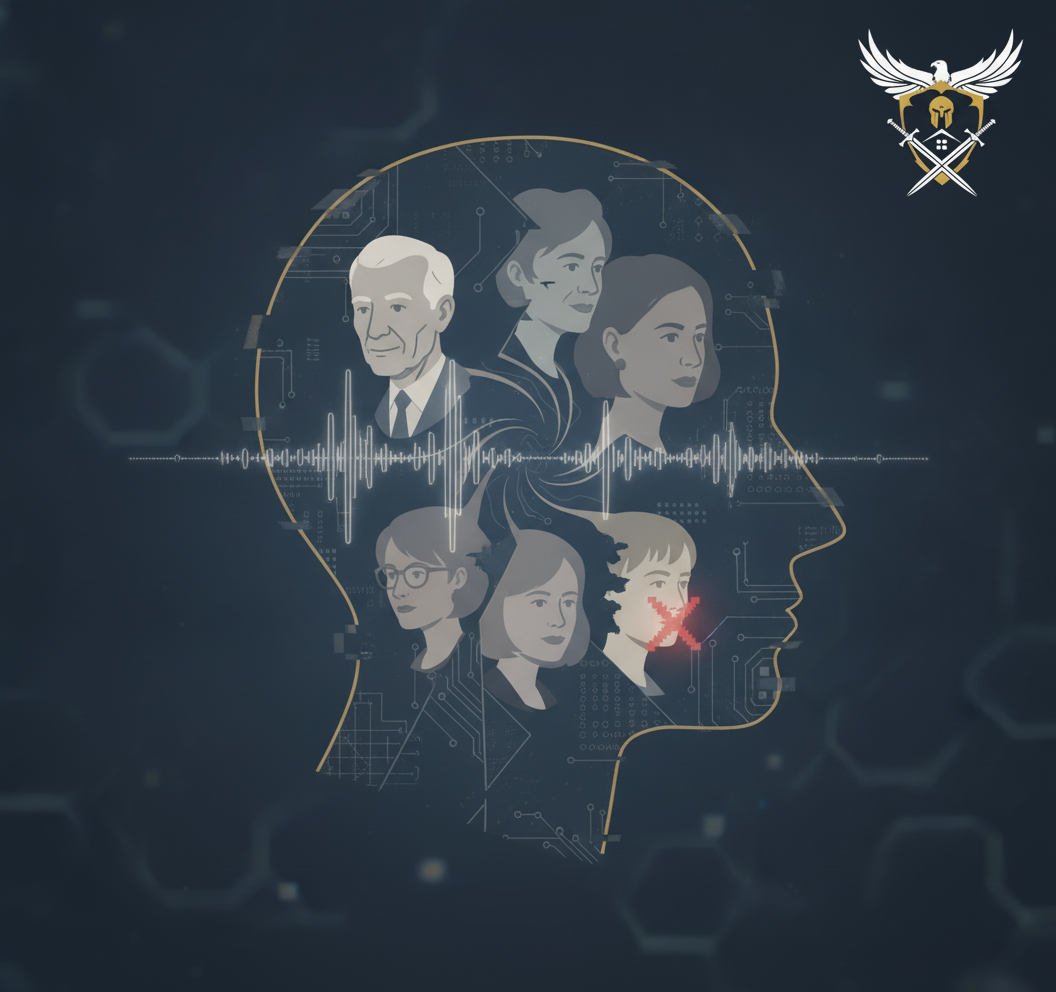
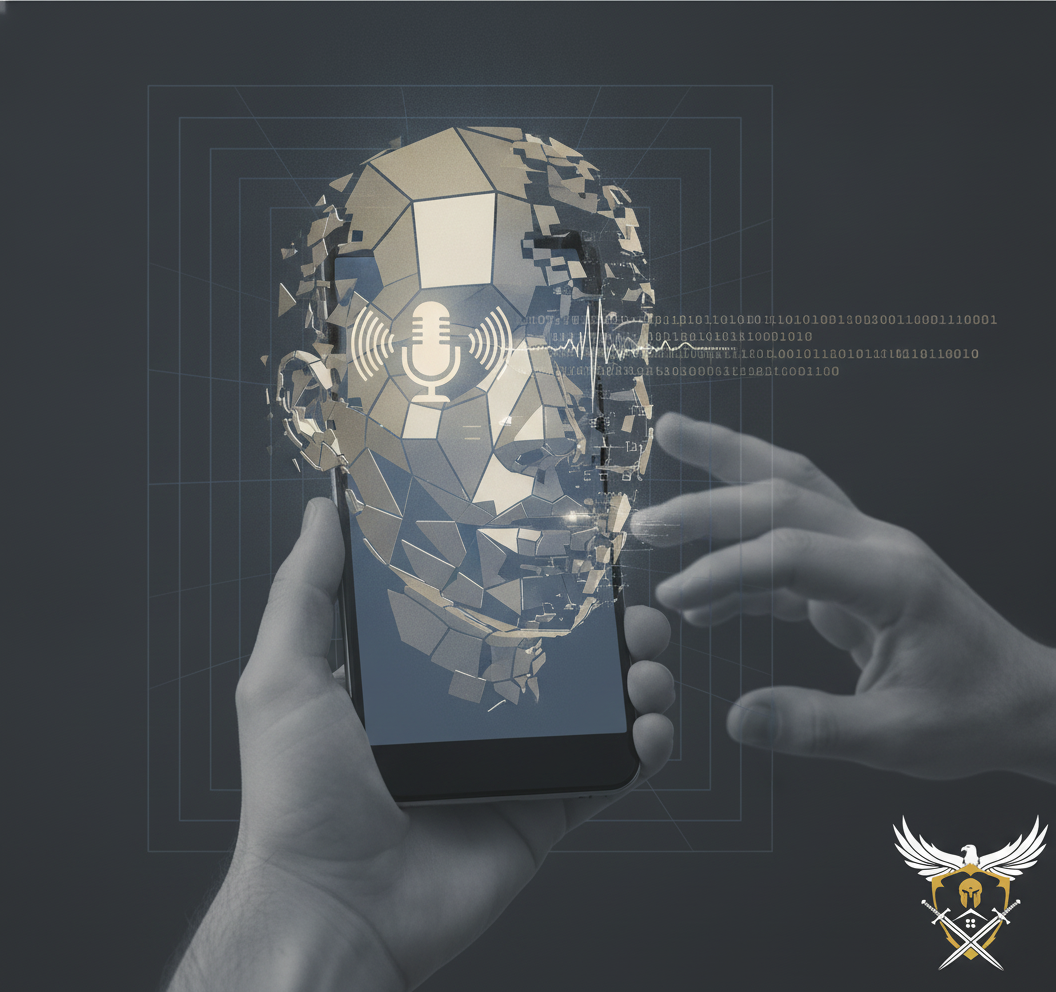
What you just experienced is an AI voice clone emergency impersonation. With as little as three to five seconds of clear audio harvested from public social media posts, TikTok videos, or voicemail greetings, modern generative AI tools can clone a person's cadence, pitch, and vocal inflections with terrifying precision.
How the Call Actually Happens
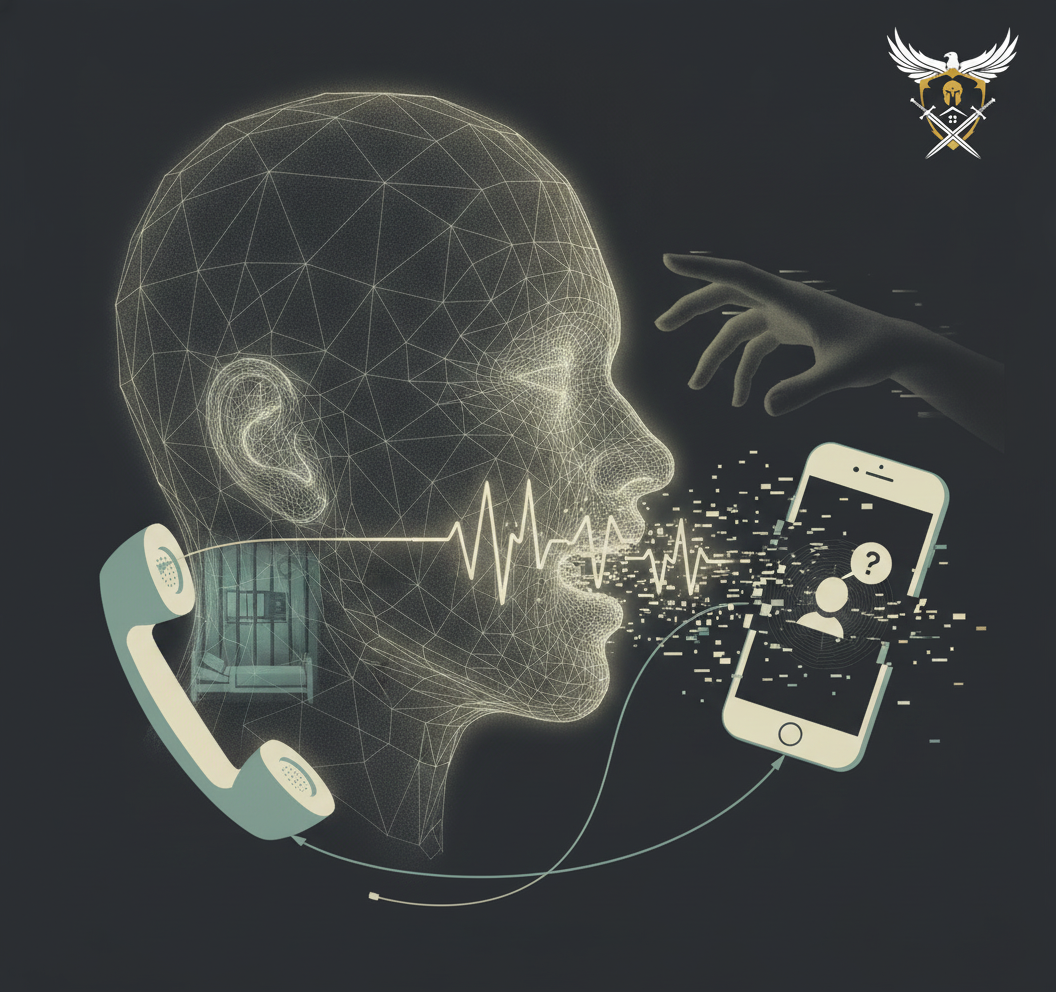
Scammers combine voice synthesis with psychological warfare. The phone rings—often showing a spoofed local area code or even the relative's name on caller ID. When you answer, you hear a frantic, sobbing voice that sounds unmistakably like your family member:
"Grandma, I messed up. I got into a car accident and they found drugs in the car. I'm in jail. Please don't tell mom and dad—talk to my public defender right now."
The voice sounds distressed, muffled, or breathless, which cleverly masks any minor artifacts in the synthetic audio. Background sound effects—like police dispatch chatter or hospital sirens—are layered into the audio to manufacture panic. Before you can ask detailed questions, the "relative" hands the phone over to an authoritative figure claiming to be a lawyer, bondsman, or police sergeant.
This second individual demands immediate payment to cover "emergency bond fees," "impound costs," or "out-of-network trauma surgery." The instructions are always identical: pay right now via wire transfer, digital payment apps, cryptocurrency, or physical cash collected by a courier, and tell nobody because of a "gag order."
The Dead Giveaways (What to Look For)
In our experience analyzing digital deception at KnightByrd Tech, the real vulnerability in these attacks isn't the technology—it's the manufactured panic. Attackers know that if you have sixty seconds to breathe and think, the scheme falls apart.
Watch for these specific operational tells:
- Absolute Secrecy Demands: The caller insists you must not alert the child's parents, other family members, or your bank. They will invent fake legal justifications, such as a judge-issued "gag order" on bond hearings.
- Irreversible Payment Channels: Legitimate municipal court systems, county jails, and certified medical centers do not accept payments via Bitcoin ATMs, Apple gift cards, Western Union wire transfers, or physical cash envelopes handed to rideshare couriers.
- Rapid Handoffs: The cloned voice speaks for only 5 to 15 seconds to minimize the chance of phonetic glitches before handing the call to a live co-conspirator playing the official.
What Most Safety Guides Won't Tell You
Here is our unfiltered take: mainstream advice telling people to "listen closely for robotic tones" is dangerously outdated. Modern generative models do not sound like monotone robots from the 1990s; they stutter, take breaths, cry, and mimic regional accents flawlessly.
Trying to determine whether an audio feed is genuine in the middle of a high-adrenaline panic state is a losing battle. You cannot trust your ears anymore. Verification must be structural, procedural, and entirely independent of the incoming call.
Immediate Steps to Take Right Now
If you receive one of these calls or are currently being pressured:
- Hang up immediately. Do not argue, do not announce that you know it is a scam, and do not stay on the line to gather information. Simply sever the connection.
- Call your relative directly on their verified number. Dial the number saved in your personal contacts—do not hit redial on the incoming caller ID. If they do not answer immediately, call their spouse, roommate, parent, or workplace.
- Implement an Offline Family Codeword. Establish an unshared, verbal-only safety word across your family. If any family member ever calls claiming to be detained, injured, or in peril, they must provide that exact passphrase. If they cannot provide it, the call is fraudulent.
- Report the incident. File a report with the Federal Trade Commission (FTC) Consumer Sentinel Network and notify your local police department's non-emergency fraud division.
Protecting Older Relatives
Talk to your parents and grandparents today about AI voice cloning. Share realistic examples and explain that scammers can easily obtain voice samples from public Instagram reels, YouTube clips, and TikToks. Set their cell phones to silence unknown callers where feasible, and make a pact that no emergency payment will ever be authorized without secondary verification across two separate family members.
Frequently Asked Questions
Can scammers clone a voice from a standard voicemail greeting? Yes. While longer video clips yield higher fidelity, modern zero-shot text-to-speech engines require only a few seconds of clean, isolated speech to generate a serviceable clone.
What if the caller ID matches my grandchild's exact phone number? Caller ID spoofing allows bad actors to display any outgoing phone number they choose. Never rely on the caller ID screen as proof of identity.
I already sent money via wire or gift cards. What can I do? Contact your bank or the gift card issuer's fraud department immediately to request an urgent recall or freeze, though recovery can be difficult. File a report with law enforcement and the FTC without delay.
Don't wait for a crisis to secure your family's communications—establish your emergency protocols and safety codewords today.
Got a message you're not sure about? Paste it into the free Is This a Scam? checker — you'll get an instant read on the warning signs and exactly what to do. No sign-up, nothing saved. You can also see this week's most active scams on the Nexus Scam Signal.
KnightByrd Tech researches fast-moving digital trends and publishes practical, tested products and guides. About the publisher →