Is the 'Task Optimization' Job a Scam? Why You Must Never Pay to Unlock Earnings
Is that app optimization job real? If you must deposit money or crypto to unlock task commissions, it's a task scam. Learn the red flags and what to do.
If you received a text offering $150 to $300 a day to "optimize digital apps," "rate hotel listings," or "boost merchant data"—and you are now being told to deposit your own cryptocurrency or cash to release your earnings—stop immediately. This is 100% a scam.
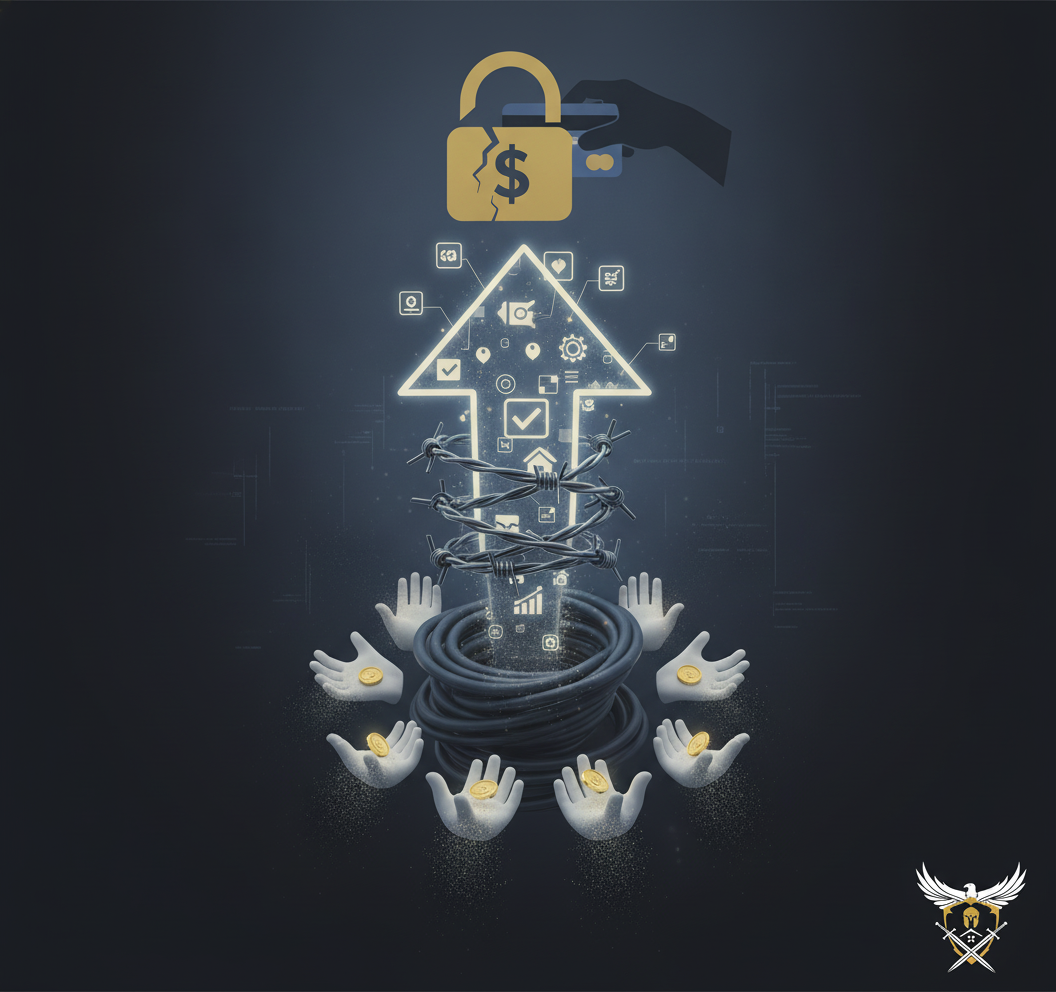
Legitimate companies will never require an employee or contractor to send personal funds, buy cryptocurrency, or "recharge" an account balance to unlock accumulated wages or access daily task packages.
Every dollar you deposit into that platform goes straight into the criminal group's wallet. The earnings dashboard you are looking at is completely simulated.
How the Task Optimization Scam Traps You
This fraud operates on psychological conditioning. Most victims are contacted out of nowhere via SMS, WhatsApp, or Telegram by an account pretending to be an HR recruiter from a recognizable brand or agency. They offer simple, flexible work that takes only 30 to 60 minutes a day.
Once you agree, you are assigned to a "workbench" or custom portal where you click buttons to "submit orders," "review apps," or "optimize cloud products."
To build your trust, the scammers let you complete an initial set of 30 to 40 tasks. The interface shows a simulated balance—say, $80. To convince you the system is real, the operators actually allow you to withdraw a small token payout ($20 to $50) directly to your crypto wallet or bank account on day one.
Then the trap springs.
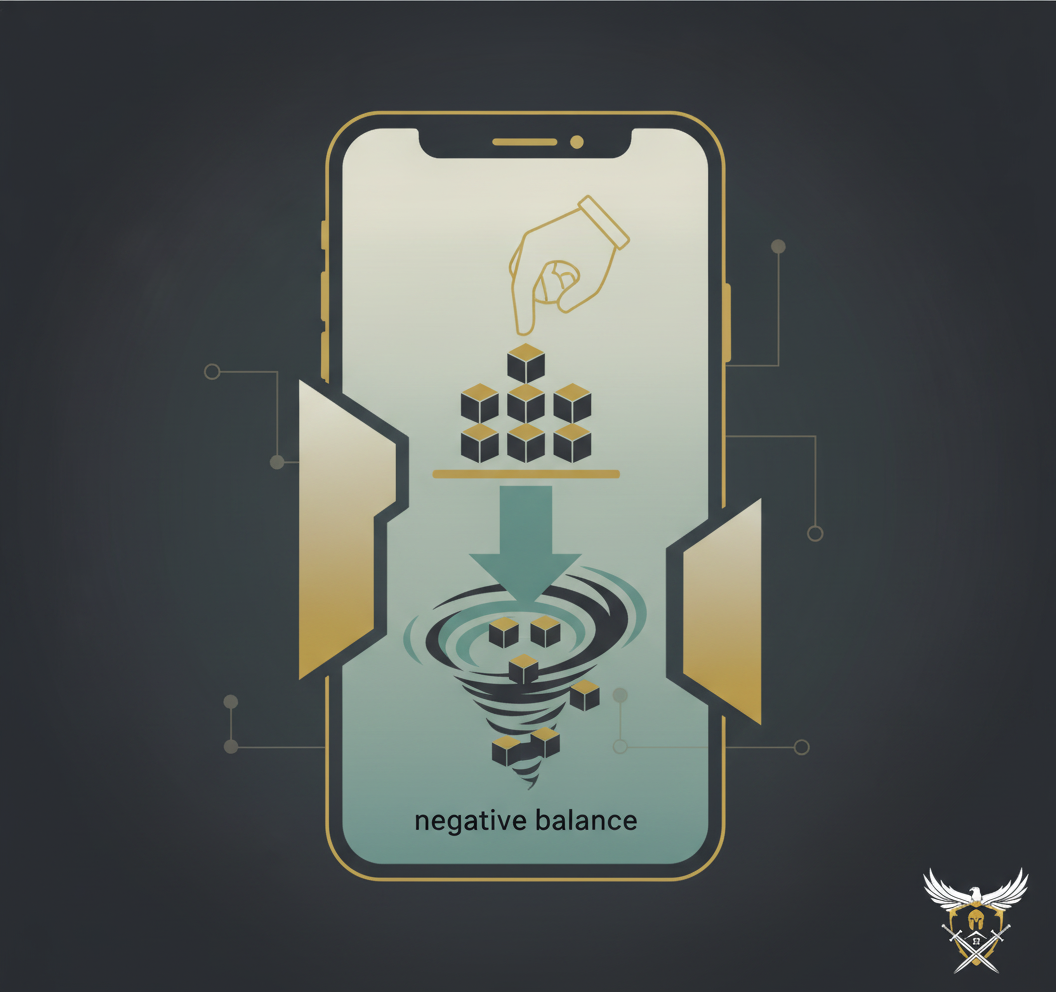
On day two or three, your account balance suddenly goes negative during a task run. The handler claims you were lucky enough to hit a rare "Lucky Order" or "Combo Task" that yields a 500% commission—provided you deposit your own money to reset the negative balance and complete the chain.
Once you deposit, another negative balance appears requiring a higher deposit ($500, then $2,000, then $8,000). The moment you refuse to send more funds or demand your money back, your handler blocks you and the website vanishes.
What Most Scam Guides Won't Tell You
In our experience analyzing digital fraud networks at KnightByrd Tech, the real danger is not just financial loss—it is the sunk-cost entrapment loop. Most generic consumer guides treat this as a simple phishing problem. It is not.
These syndicates run sophisticated, highly scripted pig-butchering engines. They assign you to Telegram group chats filled with dozen of fake accounts posting real-time screenshots of alleged massive withdrawals to manufacture social proof. When victims hesitate, the "mentor" acts compassionate, even offering to cover a fraction of the deposit to get you over the line.
Our take is unyielding: any digital work platform requiring upstream liquidity to withdraw downstream wages is a closed-loop theft operation. No algorithm, merchant contract, or optimization pipeline in the tech industry functions on employee-funded escrow balances. If a job charges you to work, you are the product being harvested.
Exact Red Flags to Identify in Seconds
- Unsolicited outreach on encrypted messaging apps: Legitimate recruiters do not hire via anonymous WhatsApp accounts or Telegram direct messages.
- The "Recharge" requirement: The dashboard forces you to buy Tether (USDT), Bitcoin, or make direct wire transfers to unknown third-party accounts labeled as "customer service merchants."
- Tiered VIP task sets: You are told you must finish 3 sets of 38 tasks before you can withdraw, but an artificial error or negative balance blocks the final task every time.
- No real work is performed: You are merely clicking a single "Submit" button repeatedly to watch an automated counter increment.
For official reporting protocols and legal descriptions of employment scams, review guidance directly from the Federal Trade Commission's job scams warning.
What to Do Right Now If You've Been Targeted
- Cease all deposits immediately. Do not send one more cent under the belief that the next transfer will unlock your balance. It will not.
- Preserve evidence. Take full-page screenshots of your message logs, platform transaction histories, wallet addresses, and handler profiles before you are booted from the group.
- Lock down compromised financial tools. If you linked a bank account or shared identity documents (driver's license, passport) during account setup, contact your bank's fraud division and place a fraud alert on your credit profile.
- Report the scam. File a detailed complaint with the FBI's Internet Crime Complaint Center (IC3) at ic3.gov or your country's national cybercrime center.
- Ignore recovery scammers. Anyone contacting you claiming they can "hack back" your lost funds or reverse the cryptocurrency transaction is another scammer targeting you from the same victim list.
Frequently Asked Questions
Can I get my deposited money back from a task scam? If you sent cryptocurrency, the transactions on the blockchain are irreversible. Your primary recourse is filing an official law enforcement report. Never pay a third-party recovery service.
Why did they let me withdraw $50 the first time? The initial small payout is bait. Scammers happily sacrifice $50 to establish false trust so you feel comfortable depositing thousands of dollars later.
How did they get my phone number? Your contact details were likely purchased from bulk data broker breaches or harvested from public resume platforms and job boards where you applied for remote roles.
Don't wait for your funds to disappear—cut contact with suspicious task handlers today and secure your accounts immediately.
Got a message you're not sure about? Paste it into the free Is This a Scam? checker — you'll get an instant read on the warning signs and exactly what to do. No sign-up, nothing saved. You can also see this week's most active scams on the Nexus Scam Signal.
KnightByrd Tech researches fast-moving digital trends and publishes practical, tested products and guides. About the publisher →