Is Your Bank Asking You to Move Money to a "Safe Account"? It's a Scam: What to Do Immediately
Did your bank call asking you to move money to a 'safe account'? It's an impersonation scam. Learn the exact red flags and what to do immediately.
If you are on the phone right now with someone claiming to be from your bank's fraud department instructing you to move money to a "safe holding account," a "government depository," or a "Federal Reserve locker" to prevent theft: hang up immediately.
No legitimate financial institution will ever instruct you to transfer funds to another account, wire money, or buy digital assets to protect your balance. The person speaking with you is not a bank officer. They are a criminal orchestrating a bank safe account impersonation scam, and every second you stay on the line increases the risk of irreversible loss.
How the Safe Account Impersonation Scam Operates
These attacks are highly coordinated, psychological operations engineered to bypass your natural skepticism through manufactured urgency.
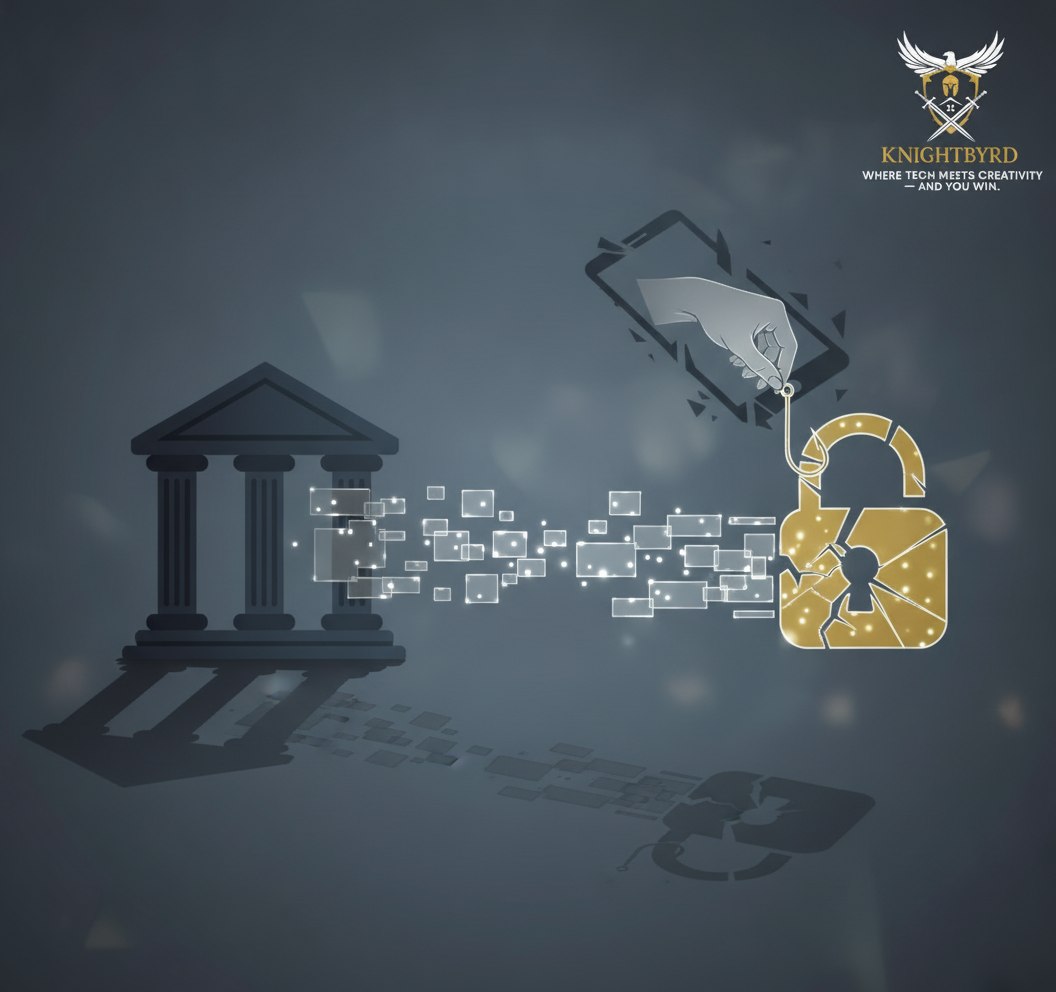
Typically, the sequence starts with an SMS message warning of an unauthorized high-dollar charge (e.g., "Did you authorize a $1,480 transfer to Zelle? Reply YES or NO"). When you reply "NO" in a panic, your phone rings seconds later. The incoming caller ID displays the exact name and official customer service number of your bank—a technical trick known as caller ID spoofing.
Once connected, the operative uses an authoritative, professional tone. They might quote partial personal data leaked from historical data breaches—such as your home address or the last four digits of your Social Security number—to establish credibility. They inform you that an internal rogue employee or a sophisticated cyber group has compromised your account, and that your existing balance must be moved to an insured "clearing account" or "secure federal holding line" while they issue you new credentials.
In our experience handling digital incident response and asset exposure analysis, victims often report that the scammers remained on the line for over an hour, coaching them through the exact phrases to say to their local branch teller to avoid triggering fraud detection safeguards.
The Dead Giveaways: Red Flags You Cannot Ignore
- The "Safe Haven" Directive: Any request to transfer funds to a new, secondary, or external account to protect them is 100% fraudulent. Banks freeze accounts internally when fraud occurs; they never demand external defensive transfers.
- Demands for Secrecy: The caller insists that because "internal staff are under investigation," you must not speak to anyone at your local branch or mention the transfer to family members.
- Coaching Wire Reason Codes: The representative instructs you to tell bank personnel that the wire transfer is for "home renovations," "purchasing real estate," or "sending money to family."
- Alternative Transfer Vehicles: If a wire is delayed, the caller quickly pivots to peer-to-peer apps, gift cards, or directing you to a physical Bitcoin ATM to deposit cash.
What Most Security Guides Won't Tell You About Liability
Here is the uncomfortable reality that standard banking advisories gloss over: if you initiate the transfer yourself, your bank will almost certainly classify the transaction as "authorized."
Under federal consumer protection frameworks, banks are generally liable for unauthorized electronic fund transfers where a hacker steals your password and moves the money without your participation. However, when an impersonator convinces you to execute the wire or send the funds yourself, banks routinely deny reimbursement claims under Regulation E, arguing that you authorized the outflow. The regulatory system has not kept pace with social engineering, which means the moment that wire leaves your institution, recovery odds plummet drastically. The Federal Trade Commission consumer guidance on bank impersonation scams emphasizes that genuine institutions resolve compromised balances internally without requiring customer-directed transfers.
What to Do If You Have Been Targeted
- Cut the Connection: Terminate the call immediately. Do not announce you know it is a scam; simply hang up.
- Verify Through Out-of-Band Channels: Look at the physical plastic debit or credit card in your wallet. Dial the customer service number printed on the back of the card, or log in independently through your bank's verified mobile app. Do not dial any callback numbers provided via SMS or voicemail.
- Request an Immediate Kill-Switch / Freeze: If you already initiated a wire or transaction, call your bank's verified fraud division instantly and demand an urgent "wire recall" or freeze request. Time is measured in minutes before the funds are dispersed across multiple layered accounts.
- Document the Evidence: Take screenshots of the incoming phone logs, text messages, transfer receipts, and routing numbers provided by the scammer.
- File Formal Reports: Report the incident to your local police department and submit a complaint through the FBI's Internet Crime Complaint Center (IC3).
Protecting Older Family Members
Older adults and individuals managing significant retirement balances are the primary demographic targeted for safe account transfers. Help safeguard family members by setting up dual-authorization protocols on large transfers where possible. Make it a standard family security rule: Any phone call requiring financial movement is subject to a mandatory 15-minute cooling-off period and a second-opinion check with a trusted contact before taking action.
Frequently Asked Questions
Can scammers really make their phone number look like my actual bank? Yes. Caller ID spoofing allows bad actors to manipulate the metadata transmitted to your phone network, displaying the exact corporate name and verified customer service phone number of your financial institution.
What if the caller already knew my account balance and address? Data aggregator breaches, credential stuffing, and phishing kits frequently expose account balances and personal profiles online. Having your information does not prove their identity.
Does the Federal Reserve or FDIC ever hold consumer funds for security? No. Neither the Federal Reserve nor the FDIC maintains direct retail consumer accounts or "safe holding holding facilities" for compromised individual funds.
Don't wait until unauthorized transfers drain your accounts—take defensive control of your financial security today.
Got a message you're not sure about? Paste it into the free Is This a Scam? checker — you'll get an instant read on the warning signs and exactly what to do. No sign-up, nothing saved. You can also see this week's most active scams on the Nexus Scam Signal.
KnightByrd Tech researches fast-moving digital trends and publishes practical, tested products and guides. About the publisher →